





Recipe
The Perfect Baking Vánočka Recipe
25
Aug
Aug
Every baker knows the sting of a failed holiday loaf. My own demanding journey with Vánočka, the magnificent Czech and Slovak Christmas sweet bread, began on a particularly disheartening Christmas Eve. I envisioned a golden, symmetrically braided masterpiece gracing our festive table. Instead, I pulled out a slightly lopsided, dense loaf with an uninspired crust.
That initial ‘failure’ wasn’t a culinary disaster; it was the spark that ignited a decade-long quest for truly understanding and mastering the complex art of enriched, leavened doughs. If you have ever struggled to move past density and achieve that ethereal, perfect airy crumb, you are not alone.
Home bakers often grapple with the many nuances of leavened sweet breads, from activating the yeast correctly in a sugar-heavy environment to mastering the delicate tension required for the intricate braiding that defines Vánočka. It is a demanding balance of careful measurement, controlled temperature, and skillful dough handling.
But achieving perfection is well within reach when you combine traditional methods with precise tools and expert knowledge. Here at MBICO, we are dedicated to empowering bakers—whether you run a professional operation or are pursuing a holiday passion project—with high-quality bakery equipment. We firmly believe that the flawless journey from flour to a stunning, festive loaf is a critical blend of time-honored tradition and precision engineering. We have distilled our years of industry experience into the essential secrets necessary to guarantee your Vánočka rises high and shines golden.
By the end of this article, you will not only have a deep understanding of Vánočka’s history and structure but also learn the exact techniques—rooted in both tradition and food science—to apply in your own kitchen, transforming your baking from good to truly exceptional.
The Heart of Vánočka: A Journey Through Tradition and Taste
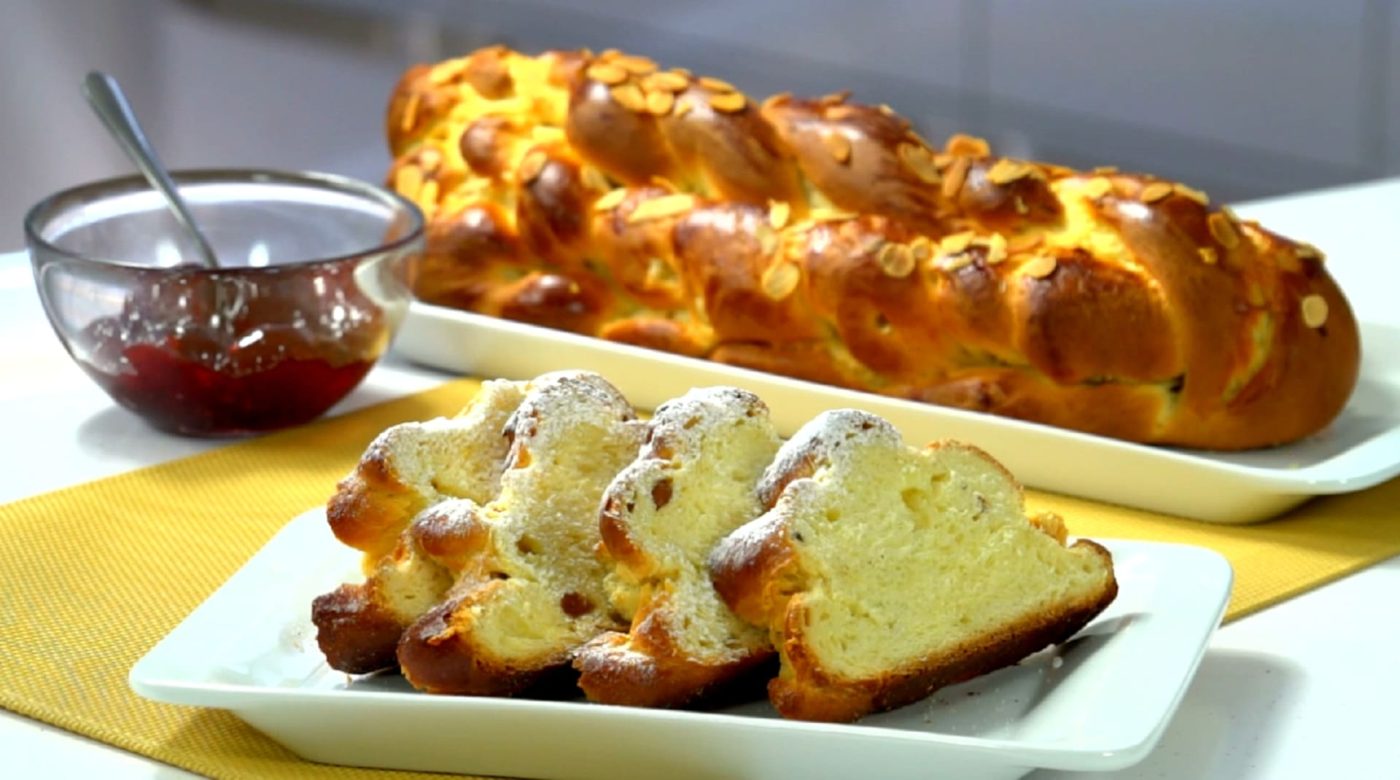
Vánočka, pronounced ‘Vah-nohch-kah,’ is more than just a bread; it’s a centuries-old tradition, a symbol of Christmas and new beginnings in the Czech Republic and Slovakia. This magnificent leavened sweet bread, often enriched with fragrant lemon zest, plump raisins, and crunchy almonds, stands as a testament to European culinary heritage. Its iconic braided structure, typically comprised of three layers symbolizing elements like the Holy Trinity or the family, is both a visual delight and a testament to the baker’s skill.
The Science of Sweet Dough: Building Vánočka from the Ground Up
Grain Selection: Wheat’s Role in Vánočka’s Texture
Vánočka primarily relies on wheat flour, specifically all-purpose or a strong bread flour, to build its structure. The key here is gluten – the protein network formed when water interacts with gliadin and glutenin in the flour. This network is what gives the bread its elasticity and chew, allowing it to trap the gases produced by yeast and create that coveted airy crumb. Understanding hydration and proper kneading techniques are paramount to developing a strong yet pliable dough, capable of holding its intricate shape.
Yeast, Sugar, and Enrichment: A Delicate Dance of Fermentation
In sweet breads like Vánočka, yeast faces a unique challenge. Sugar, while essential for flavor and browning, can actually inhibit yeast activity in high concentrations by drawing out moisture through osmosis. This is why understanding the balance is crucial. We often use active dry or instant yeast, ensuring it’s vibrant and ready to work. The rich additions – butter, eggs, and sugar – contribute to Vánočka’s tender crumb and extended shelf life. Fat shortens gluten strands, preventing an overly chewy texture, while sugar not only feeds the yeast (in moderation) but also contributes to the beautiful caramelization of the crust during baking – the Maillard reaction in full swing – giving Vánočka its signature golden-brown exterior.
Mastering the Craft: Braiding and Baking Your Vánočka
The Dough: A Foundation of Flavor and Structure
My years as a professional baker taught me that the foundation of any great bread is a well-developed dough. For Vánočka, this means a thorough kneading to build sufficient gluten, followed by a patient proofing process. Don’t rush it! The dough needs time to develop flavor and strength. After the first rise, gently incorporate the plumped raisins and blanched almonds. Overmixing at this stage can tear the delicate gluten network, so fold them in carefully to maintain the dough’s integrity.
The Art of the Braid: A Step-by-Step Guide
This is where the artistry truly shines, transforming simple dough ropes into a festive masterpiece. The traditional Vánočka is not merely a braid; it’s often a tiered structure, symbolizing a stable, well-built future. While there are many ways to braid, a common and impressive method involves three distinct layers.
- Prepare Your Strands: Divide your dough into nine equal pieces, then roll them into long, even ropes. Consistency here is key for a beautiful final shape.
- The Foundation (4 strands): Begin by braiding four strands into a tight base. This layer provides stability and width to your Vánočka.
- The Middle Layer (3 strands): Next, braid three strands separately. This will form the middle section, which you’ll carefully place atop the four-strand base.
- The Crown (2 strands): Finally, twist or braid two strands together to form the topmost layer, representing the smallest, most delicate part.
- Assemble and Secure: Carefully stack the braided layers, gently pressing them together. For larger loaves, I always recommend inserting a few wooden skewers vertically through the entire structure before the final proof and bake. This simple trick, a lifesaver in my own bakery, prevents the layers from separating or collapsing as the bread rises. Having the right bakery equipment, from precise scales to specialized dough dividers, can make all the difference in achieving uniform strands and a beautifully symmetrical loaf.
The Bake: Achieving Golden Perfection
After braiding, a final proof allows the dough to relax and expand before hitting the heat. Preheat your oven correctly. This is paramount! For Vánočka, a moderate temperature ensures a gradual rise and even baking, preventing a burnt exterior and raw interior. In my professional experience, an accurate bakery oven is indispensable for consistent results, ensuring even heat distribution that coaxes out the bread’s golden hue and delicate crust. While we’re focused on the intricacies of Vánočka, the principles of excellent, controlled heat distribution are universal across various culinary arts. Whether you’re crafting artisanal breads or perfecting recipes in pizza and food ovens, understanding how your equipment performs is key to consistent success.
Elevating Your Vánočka: Tips from a Master Baker
- Ingredient Temperature: Always ensure your butter and eggs are at room temperature. This helps them emulsify better, creating a smoother, more uniform dough.
- Soak Your Raisins: Plump raisins in warm rum, brandy, or even hot water before adding them to prevent them from drawing moisture from your dough and burning.
- Don’t Over-Proof: An over-proofed dough will collapse in the oven, leading to a dense texture. Look for the ‘finger dent test’ – if a gentle poke leaves a slight indentation that slowly springs back, it’s ready.
- Skewers for Stability: For large Vánočka loaves, inserting wooden skewers vertically through the braided layers before baking will help maintain its shape and prevent it from sagging.
- Cooling Patience: Resist the urge to cut into a warm Vánočka! Allow it to cool completely on a wire rack. This allows the internal structure to set and prevents a gummy texture.
Conclusion
From its humble origins to its festive presence, Vánočka is a bread that truly embodies the spirit of baking. We’ve delved into the science of its ingredients, mastered the art of its complex braid, and explored the nuances of achieving that perfect golden crust. This holiday season, armed with newfound knowledge and a baker’s intuition, I challenge you to approach your Vánočka with confidence and curiosity. Try adjusting your proofing time based on your kitchen’s temperature, or experiment with adding a pinch more cardamom for an extra layer of warmth. The journey of baking is one of continuous discovery – embrace it, and savor the delicious results!
Explore MBICO's categories
Bakery equipment
13 Products
bulk and semi-bulk bread baking ovens
3 Products
Bulk Breads Baking equipment
14 Products
Confectionery equipment
7 Products
Mini ovens
3 Products
Pizza and food ovens
4 Products
Baking equipment
25 Products
Bakery oven
5 Products
Tafton baking ovens
3 Products
Barbari baking ovens
4 Products
Sangak bakery ovens
3 Products
Lavash baking ovens
3 Products
Pastry and confectionery ovens
3 Products
Baking ovens
10 Products
Mobile baking machines
4 Products
Explore MBICO's products
Conveyor Pizza Oven
Dough Divider Machine
Convection Oven
Mobile Kitchen Container
Kitchen trailer
Automatic Production Line for Baking Sangak Bread
Bakery & Pastry Trolley
Tunnel Baking Oven