






Recipe
Step-by-Step Guide to Baking Roti/Chapati
28
Aug
Aug
The Ultimate Guide to Baking Roti/Chapati
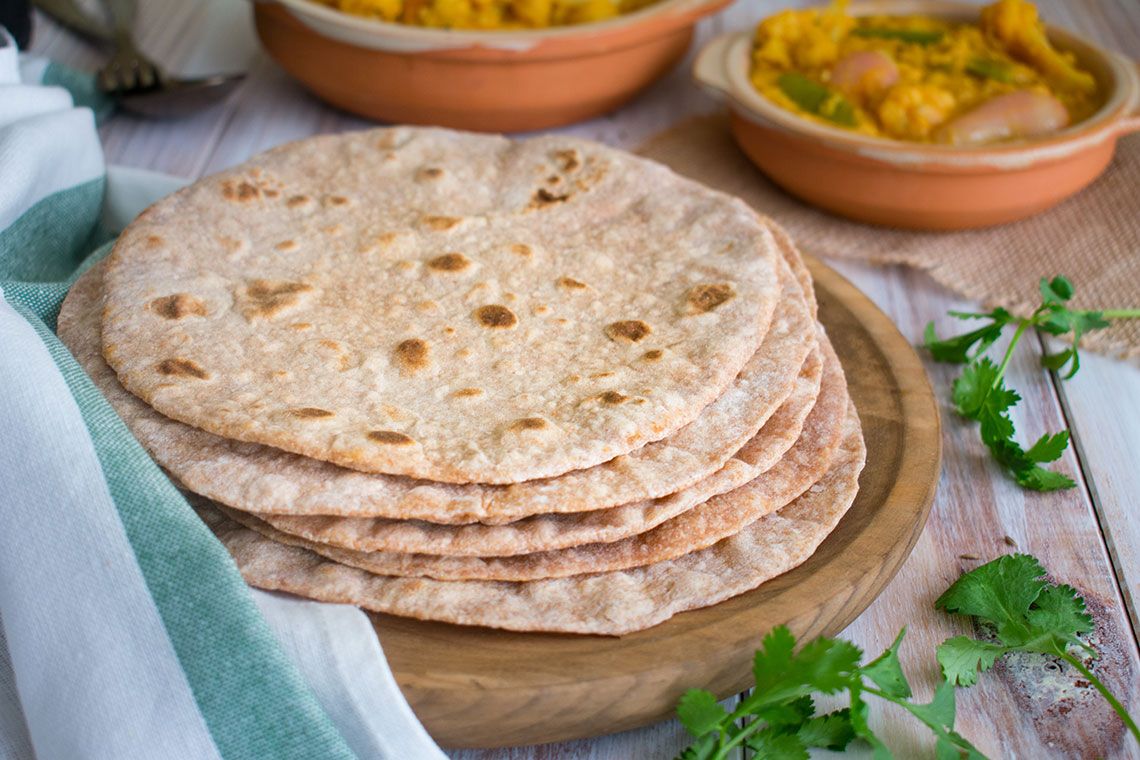
Ah, the Roti or Chapati—the ultimate staple flatbread found across South Asia. This seemingly simple, unleavened bread, made only from whole wheat flour (atta) and water, is deceptively challenging to master. If you have ever been frustrated by producing tough, stiff, or leathery discs instead of the soft, pliable bread you craved, you are not alone. That struggle is common because achieving perfect Roti isn’t just about following a basic recipe; it requires a precise understanding of the subtle science behind dough hydration, proper kneading, and heat control.
We understand the disappointment of a flat, un-puffed Roti. Our expertise, rooted in years of observing the complexities of bakery production, confirms that the magic truly lies in mastering nuanced techniques often overlooked in standard home cooking guides.
Why Do Most Roti Recipes Fail?
The failure of Roti to achieve that famous soft texture and puff (phulka) often comes down to three critical factors:
- Incorrect Hydration: Dough that is too stiff prevents the gluten structure from developing correctly, leading to toughness.
- Insufficient Kneading or Rest: The dough needs proper development and time to relax before rolling.
- Inconsistent Heat: Achieving the perfect ballooning effect requires specific, high-heat temperature transfers (from the tava to the direct flame).
For those passionate about achieving consistent quality, whether you are running a large bakery operation or striving for professional-grade results in your home kitchen, understanding the right methods and utilizing precise equipment is crucial. As a leading manufacturer of high-quality bakery equipment, MBICO empowers bakers by bridging the gap between traditional craft and modern efficiency.
By the end of this comprehensive guide, you will possess the specialized technical knowledge—developed through industrial expertise and applied to the home kitchen—to consistently produce perfect, soft, and dramatically puffy Roti and Chapati.
The Science Behind the Simplicity: Understanding Your Ingredients
At its heart, Roti/Chapati is a minimalist masterpiece, relying on just a few core ingredients. But don’t let the simplicity fool you; each plays a critical role.
Whole Wheat Flour: The Foundation
The choice of flour is paramount. We use whole wheat flour (atta in Hindi), which contains the bran, germ, and endosperm. This gives Roti its characteristic earthy flavor and rustic texture. Scientifically, whole wheat flour has a higher protein content than all-purpose flour. When hydrated and kneaded, these proteins (glutenin and gliadin) combine to form gluten – a visco-elastic network that gives the dough its structure, elasticity, and ability to trap steam, leading to that coveted puff. In my years running a professional bakery, I’ve found that the grind of the whole wheat flour significantly impacts water absorption and kneading time. A finer grind will absorb water quicker and require less kneading to develop gluten.
Water: The Unsung Hero of Hydration
Water isn’t just a liquid; it’s an active ingredient. It activates the proteins to form gluten and hydrates the starch granules. The ideal water temperature for Roti dough is often lukewarm, as it helps the flour absorb water more efficiently and contributes to a more pliable dough. Too little water, and your dough will be stiff and your Roti tough; too much, and it will be sticky and unmanageable. Finding the sweet spot – typically around 60-65% hydration relative to the flour weight – is key.
Salt: For Flavor and Structure
While often added for taste, salt also plays a subtle role in gluten development, strengthening the gluten network. Just a pinch makes a world of difference to the overall flavor profile of your Roti.
The Art of the Dough: Mixing, Kneading, and Resting
This is where the magic begins, transforming disparate ingredients into a cohesive, elastic dough.
Mixing: Bringing It All Together
Combine your whole wheat flour and salt in a large bowl. Gradually add lukewarm water, mixing with your hands or a spoon until a shaggy dough forms. It should be just sticky enough to come together, but not wet.
Kneading: Developing the Gluten
This is arguably the most crucial step. Transfer the shaggy dough to a clean work surface and begin to knead. The action of kneading stretches and folds the dough, aligning the gluten strands and building strength and elasticity. Aim for 8-10 minutes of vigorous kneading. You’ll notice the dough transform from a rough mass to a smooth, supple, and elastic ball. Based on the principles outlined in ‘Modernist Bread,’ proper kneading ensures the dough can hold the gases (steam) generated during cooking, allowing it to puff. You’ll know it’s ready when it springs back slowly after being gently poked.
Resting: The Patience Pays Off
Once kneaded, cover the dough with a damp cloth or plastic wrap and let it rest for at least 20-30 minutes, or even up to an hour. This resting period is vital. It allows the gluten to relax, making the dough much easier to roll out without it snapping back. It also gives the flour more time to fully hydrate, resulting in a softer Roti. While some bakers swear by a long cold ferment for other breads, for Roti, a shorter, warmer rest is generally sufficient to achieve great results.
Shaping the Perfect Circle: Techniques for Roti/Chapati
A perfectly round Roti isn’t just aesthetically pleasing; it often indicates even thickness, which is crucial for uniform cooking and puffing.
Portioning and Rounding
Divide your rested dough into equal-sized portions – roughly golf-ball sized. Roll each portion into a smooth, tight ball between your palms. Consistency in portioning is key for even cooking.
Rolling: The Gentle Art
Lightly dust your work surface and dough ball with flour. Using a rolling pin, apply gentle, even pressure, rotating the dough frequently. The goal is to achieve a uniform thickness of about 1-2mm. Avoid pressing too hard or creating thin spots, as these can lead to uneven cooking or prevent puffing. Mastering this takes practice, but consistent <https://mbico.com/bakery-equipment/”>bakery equipment like a good rolling pin can certainly aid the process.
The Magic of the Tava: Cooking Roti/Chapati
The cooking process is a rapid dance of heat and steam, culminating in the Roti’s iconic puff.
Preheating Your Tava
Heat a flat griddle (tava) over medium-high heat. It’s crucial for the tava to be hot enough before you place the Roti. A properly preheated tava will cook the Roti quickly and promote puffing. If your tava isn’t hot enough, the Roti will dry out before it has a chance to puff.
The Cook: First Side, Second Side, and the Puff
- Place the rolled Roti onto the hot tava.
- Cook for about 30-45 seconds, until you see small bubbles appear on the surface and the edges start to look dry.
- Flip the Roti. Cook the second side for another 30-60 seconds. You should see more bubbles and some lightly browned spots.
- Now, for the magic! If you have a gas stove, you can carefully transfer the Roti directly onto the flame using tongs for a few seconds. It should puff up like a balloon as the trapped steam expands rapidly. Alternatively, if using an electric stove, you can gently press the edges of the Roti with a clean kitchen towel while it’s on the tava to encourage puffing. The same scientific principle of steam expansion is at play, similar to how bread expands in a <https://mbico.com/bakery-machines/”>bakery oven.
- Remove the puffed Roti, brush with a little ghee or butter (optional), and stack in a cloth-lined container to keep them warm and soft.
Troubleshooting Common Roti/Chapati Problems
Even with the best intentions, things can go awry. Here’s how to address common issues:
- Tough Roti: This is often due to insufficient water in the dough, under-kneading (poor gluten development), or over-kneading (gluten becomes too tight). Ensure your dough is soft and pliable, and give it adequate rest.
- Roti Not Puffing: The most common culprits are uneven rolling (holes or very thin spots), a tava that isn’t hot enough, or dough that is too stiff. Check for holes, ensure even thickness, and make sure your griddle is smoking hot.
- Dry/Crumbly Roti: This points to a lack of hydration. Increase the water content slightly next time, and ensure your dough is rested properly.
Beyond the Basic: Variations and Serving Suggestions
While the classic Roti/Chapati is perfect on its own, there’s always room for culinary exploration. You can experiment with adding finely chopped herbs like cilantro or fenugreek leaves to the dough for an aromatic twist. A pinch of cumin powder or ajwain (carom seeds) also adds a delightful layer of flavor. Roti is incredibly versatile and pairs wonderfully with nearly any Indian or South Asian curry, lentil dish (dal), or vegetable sabzi. It’s also surprisingly delicious as a wrap for grilled meats or even just smeared with a little pickle. The principles you’ve learned here for flatbreads can even be applied to other doughs, demonstrating the versatility of quality cooking tools, much like the adaptable nature of pizza and food ovens in a diverse kitchen environment.
Conclusion
Baking the perfect Roti/Chapati is more than just following a recipe; it’s an intuitive dance between science and art, where understanding the nuances of your ingredients and techniques makes all the difference. From the careful selection of whole wheat flour to the precise hydration of your dough, the vigorous kneading that builds elasticity, the crucial resting period, and the swift heat of the tava, each step contributes to that soft, pliable, and wonderfully puffy final product. You’ve learned the importance of gluten development, the role of steam in creating the puff, and how to troubleshoot common issues, empowering you to approach Roti making with confidence.
This weekend, I challenge you to approach your Roti making with newfound attentiveness. Experiment by adjusting your dough’s hydration by just 1-2% from your usual, or extend your kneading time by a couple of minutes, truly feeling the dough transform. Observe the subtle differences in the texture, pliability, and especially the puff, and savor the satisfaction of mastering this timeless culinary tradition.
Explore MBICO's categories
Bakery equipment
13 Products
bulk and semi-bulk bread baking ovens
3 Products
Bulk Breads Baking equipment
14 Products
Confectionery equipment
7 Products
Mini ovens
3 Products
Pizza and food ovens
4 Products
Baking equipment
25 Products
Bakery oven
5 Products
Tafton baking ovens
3 Products
Barbari baking ovens
4 Products
Sangak bakery ovens
3 Products
Lavash baking ovens
3 Products
Pastry and confectionery ovens
3 Products
Baking ovens
10 Products
Mobile baking machines
4 Products
Explore MBICO's products
Mini Deck Oven
Convection Oven
Fixed Rotary Semi-Automatic Oven for Baking Traditional Breads
Tunnel Baking Oven
Rimok Bakery
Bakery & Pastry Trolley
Bread & Sugar Grinder
Dough Proofing Machine