



Recipe
The Art and Science of Arepas: Mastering the Venezuelan and Colombian Cornmeal Cake
27
Sep
Sep
The Art and Science of Arepas: Mastering the Venezuelan and Colombian Cornmeal Cake
Have you ever tried to recreate the perfect Venezuelan or Colombian Arepa, only to have your efforts result in a dry, dense, or unevenly cooked cornmeal cake? I understand the frustration. My own experience began years ago in a bustling market in Caracas, where the intoxicating aroma of grilling cornmeal hinted at simple perfection. I watched as a seasoned vendor effortlessly achieved that ideal textural contrast: a perfectly golden, crispy exterior yielding to a tender, steaming interior.
Yet, back in my own professional kitchen, replicating that street-food magic proved challenging. My initial attempts often fell flat, lacking that crucial balance. This realization was a profound reminder that even the simplest staple breads hold deep scientific and technical secrets. Achieving the perfect Arepa requires more than just P.A.N. flour; it demands a precise understanding of the unique rheology of the corn dough.
This quest for consistent, professional-grade results led me down a path of dissecting hydration levels, cooking temperatures, and finishing techniques. For expert bakers and serious culinary operations, consistency is king. That’s why reliable, high-quality professional bakery equipment is indispensable. Leading manufacturers like MBICO are crucial partners, providing the durable tools—from specialized mixers to industrial ovens—that empower us to achieve professional, repeatable outcomes, whether crafting traditional breads or innovative pastries.
By the end of this guide, you will gain an expert-level understanding of the nuances involved in Arepa preparation. We will explore the exact techniques and scientific principles required to craft perfectly golden, moist, and flavorful Venezuelan and Colombian Arepas, ensuring you bring the authentic heart of South American cuisine successfully into your kitchen.
The Heart of the Arepa: Understanding Cornmeal’s Unique Chemistry
Unlike wheat flour, cornmeal contains no gluten-forming proteins. This fundamental difference is why Arepa dough behaves so differently from a yeasted bread dough. There’s no intricate gluten network to develop through kneading, no elastic structure to trap fermentation gases. Instead, the magic of the Arepa lies in the starch. Specifically, it’s about optimal hydration and the gelatinization of corn starch.
- Hydration is King: The precise water-to-cornmeal ratio is critical. Too little, and your Arepas will be dry and crumbly; too much, and they’ll be sticky and difficult to handle. The goal is a dough that’s pliable, smooth, and holds its shape without cracking at the edges.
- The Role of Resting: While not for gluten development, resting the dough is vital. It allows the cornmeal to fully absorb the water, ensuring even hydration and leading to a more consistent texture. I’ve found that a 10-15 minute rest can transform a seemingly stiff dough into a beautifully workable one.
- Alkaline Treatment (Nixtamalization): While traditional masa harina (used for tortillas) undergoes nixtamalization, most pre-cooked cornmeal for Arepas does not require this step. However, understanding it helps appreciate the varied forms of corn-based doughs. Nixtamalization enhances nutrient availability and improves dough rheology.
Crafting the Perfect Arepa: A Master Baker’s Step-by-Step Guide
Achieving that ideal balance of crispy exterior and tender interior requires a combination of precise technique and the right equipment. In my years developing traditional bread lines, I’ve honed a method that consistently delivers:
- Measure Precisely: For every cup of pre-cooked fine cornmeal (Harina P.A.N. is a popular choice), start with approximately 1 to 1.25 cups of warm water and about half a teaspoon of salt. Adjust water slightly as needed, as cornmeal absorption can vary.
- Mix with Care: In a large bowl, combine the warm water and salt until dissolved. Gradually add the cornmeal, mixing with your hands to combine. The warm water aids in quicker hydration.
- Knead Briefly: Once all the cornmeal is incorporated, gently knead the dough for 2-3 minutes. This isn’t about gluten development, but about ensuring even hydration and creating a smooth, cohesive ball.
- The Crucial Rest: Cover the dough and let it rest for 10-15 minutes. This is where the magic of hydration truly happens, as the starches fully absorb the liquid, making the dough more pliable.
- Shape with Precision: Divide the dough into equal portions (about 100-120g each). Roll each portion into a smooth ball, then gently flatten it into a disk about ½ to ¾ inch thick and 4-5 inches in diameter. Aim for even thickness to ensure uniform cooking.
- The Two-Stage Cook: This is arguably the most critical step for that signature Arepa texture.
- Stage 1: Griddle or Pan Fry: Heat a heavy-bottomed griddle (budare) or cast-iron pan over medium-high heat. Cook the Arepas for 5-7 minutes per side, or until golden brown spots appear and a light crust has formed. This initial sear develops flavor through the Maillard reaction and provides structural integrity. For larger operations, specialized bakery oven lines are designed to handle this initial browning with incredible efficiency and consistency.
- Stage 2: Finish in the Oven: Transfer the partially cooked Arepas to a preheated oven (around 350-375°F or 175-190°C) for 15-20 minutes. This finishes cooking the interior, ensuring it’s tender and fluffy without drying out the exterior. This is where professional bakery equipment, including high-performance ovens and proofs, truly shines, providing the consistent heat and humidity needed for perfect results at scale. Even home bakers can achieve excellent results with standard ovens, and for those looking for versatile cooking, many commercial pizza and food ovens can be adapted for this stage, highlighting their broad utility beyond just pizza.
- Serve Immediately: Arepas are best enjoyed fresh off the heat, while their interior is still steamy and soft. Split them open and fill with your favorite savory ingredients.
Flavor Profiles and Fillings: Beyond the Basic Arepa
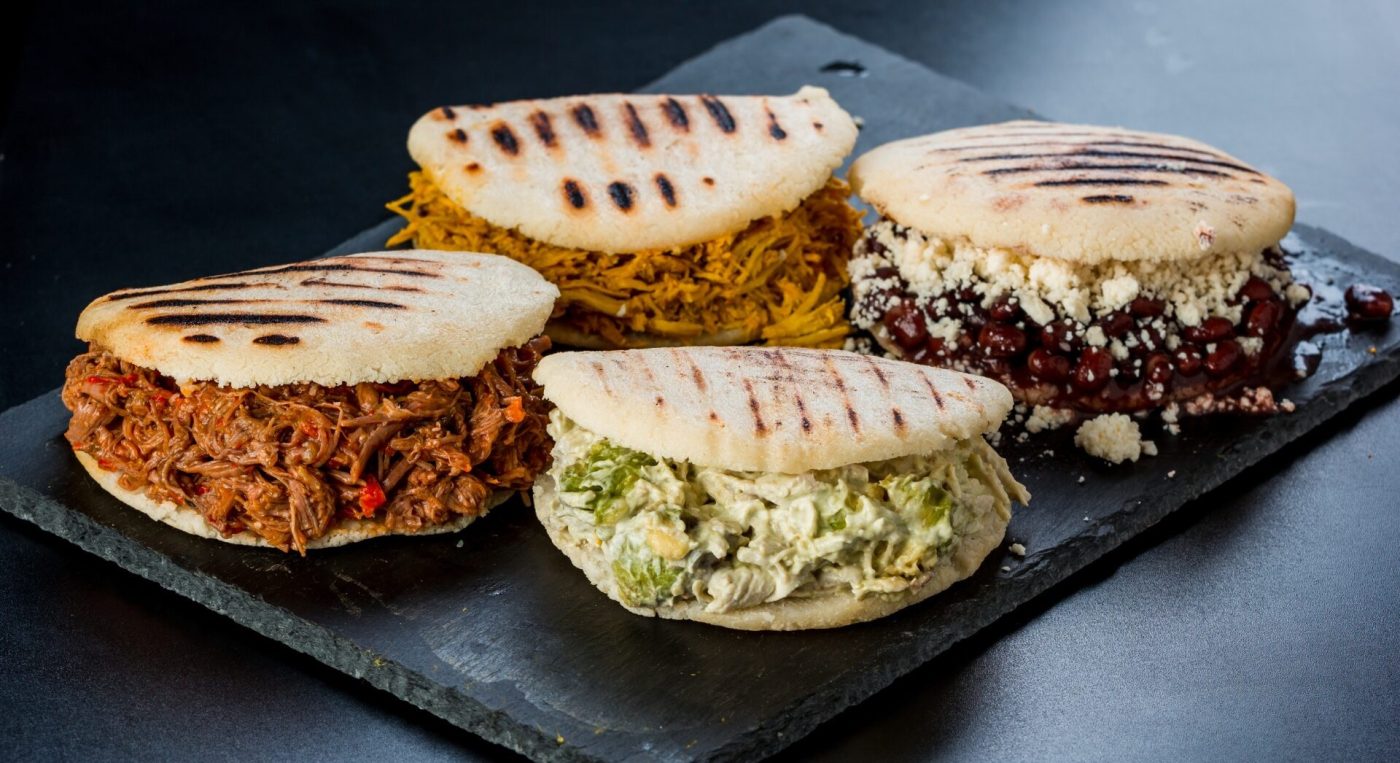
The beauty of the Arepa lies not just in its perfect texture, but also in its incredible versatility. While the “Reina Pepiada” (chicken and avocado salad) is iconic, the possibilities are endless. Consider regional variations and innovative combinations:
- Venezuelan Classics: Beyond the Reina Pepiada, explore Pelúa (shredded beef and Gouda cheese), Dominó (black beans and white cheese), or Perico (scrambled eggs with onions and tomatoes).
- Colombian Staples: In Colombia, Arepas are often served as a side, frequently with butter and fresh cheese, or with a simple filling like hogao (tomato and onion sauce) or chicharrón.
- Creative Combos: Don’t be afraid to experiment! Pulled pork, roasted vegetables, curried chickpeas, or even sweet fillings like guava and cheese can transform an Arepa into a gourmet delight.
Troubleshooting Common Arepa Challenges
Even with the right technique, challenges can arise. Here are some common issues and their scientific solutions:
- Dry, Crumbly Arepas: This is almost always a hydration issue. Increase the water slightly next time, or ensure your cornmeal had enough resting time to fully absorb the liquid.
- Sticky Dough: Too much water. Gradually add a tiny bit more cornmeal and knead until it reaches the right consistency.
- Cracking Edges: This can indicate dry dough or insufficient kneading. Ensure even hydration and a smooth dough before shaping.
- Arepas Not Puffing/Hollowing: While not all Arepas will “puff” dramatically, a dense interior can result from undercooking or insufficient initial browning, which helps create steam within.
Conclusion: Embracing the Arepa’s Legacy
The Arepa is more than just a cornmeal cake; it’s a culinary canvas, a symbol of rich cultural heritage, and a testament to the transformative power of simple ingredients. By understanding the unique chemistry of cornmeal and applying precise, two-stage cooking techniques, you can overcome common baking hurdles and consistently produce Arepas that rival those from the finest Venezuelan and Colombian kitchens. My journey with Arepas reinforced a fundamental truth in baking: mastery comes from marrying scientific understanding with passionate practice. This weekend, I encourage you to adjust your Arepa dough’s hydration by just 5% or experiment with a new two-stage cooking temperature, and observe the incredible difference in texture and flavor. Savor the process, embrace the science, and enjoy the authentic taste of tradition.
Explore MBICO's categories
Bakery equipment
13 Products
bulk and semi-bulk bread baking ovens
3 Products
Bulk Breads Baking equipment
14 Products
Confectionery equipment
7 Products
Mini ovens
3 Products
Pizza and food ovens
4 Products
Baking equipment
25 Products
Bakery oven
5 Products
Tafton baking ovens
3 Products
Barbari baking ovens
4 Products
Sangak bakery ovens
3 Products
Lavash baking ovens
3 Products
Pastry and confectionery ovens
3 Products
Baking ovens
10 Products
Mobile baking machines
4 Products
Explore MBICO's products
Fermentation Chamber
Pastry Dough Sheeter
Mini Deck Oven
Dough Proofing Machine
Conveyor Pizza Oven
Portable Rotary Semi – Automatic Oven for Baking Traditional Breads
Dough pouring machine
2-Roll Dough Sheeter (2-Roll Tabletop Dough Sheeter)