




01
Apr
Apr
In high-volume commercial baking, the reliability and performance of your equipment are non-negotiable. The cleanliness of a commercial rack oven is paramount to the success of any bakery operation.
Maintaining a spotless oven does more than just ensure the consistent quality and flavor of your baked goods; it plays a critical role in maximizing the oven’s efficiency, minimizing energy consumption, and upholding the stringent safety of the food produced. Ignoring rigorous cleaning protocols can lead to a multitude of problems, ranging from undesirable flavors permeating products to a significant reduction in the oven’s performance. In severe cases, accumulated grease and food debris can even pose a serious fire hazard within the kitchen environment.
As industry experts, we understand the demands of a busy professional kitchen. This comprehensive guide provides professional bakers with the precise knowledge and practical, step-by-step cleaning procedures necessary to effectively maintain their commercial rack ovens, ensuring peak performance, guaranteed hygiene, and superior baking outcomes.
A Baker’s Perspective on Design and Cleaning Needs
While this guide specifically addresses the cleaning of rack ovens, it is important to acknowledge that the broader category of commercial ovens encompasses various designs, each with its own unique maintenance considerations. As a manufacturer of specialized bakery equipment, we recognize these differences:
- For instance, convection ovens, which rely on fans for even heat distribution, necessitate particular attention to keeping these fans clean to maintain their efficiency.
- Conveyor ovens, with their intricate systems of belts and multiple components, require a more segmented approach to cleaning.
- Deck ovens, especially those used for baking pizzas, often encounter issues with dough and require specialized cleaning methods to avoid damaging the baking surface.
However, the fundamental principles of cleanliness and maintenance—focusing on minimizing buildup and maximizing efficiency—are universally applicable across these different types of commercial baking equipment.
Critical Areas for Rack Oven Cleaning
Within a commercial rack ovens, several key areas are particularly susceptible to the buildup of grease and food residue. Recognizing these common problem areas is the first step in establishing an effective and proactive cleaning routine:
- Oven Racks: The primary targets for buildup, as they are in direct contact with the food.
- Oven Cavity: Interior walls, floor, and ceiling tend to accumulate splatters, spills, and vaporized grease over time.
- Door Seals: The oven door and its crucial seals can trap food particles and lose effectiveness if not kept clean and in good repair.
- Internal Components: Heating elements and fans can become coated with grease, potentially affecting performance.
- Ventilation System: Exhaust systems are critical areas to consider, as blockages can lead to overheating and poor air quality.
- Crumb Trays and Catchers: These collection points require regular emptying and cleaning to prevent burning and odor development.
The Comprehensive Step-by-Step Guide to Cleaning Rack Ovens for Optimal Results
Maintaining a clean and efficient commercial rack oven requires a consistent approach, incorporating structured daily, weekly, and monthly cleaning tasks, as well as periodic professional deep cleaning.
Daily Maintenance
Establishing a daily cleaning routine is fundamental to preventing significant buildup and maintaining a hygienic baking environment. The very first step in any cleaning procedure must be ensuring safety by turning off and completely unplugging the oven. Following this, it is crucial to remove any loose debris and crumbs from the oven interior using a brush or a vacuum cleaner. Next, all interior surfaces should be wiped down with a damp cloth and a mild detergent to remove any fresh spills or splatters. Similarly, the exterior surfaces of the oven should be wiped clean to prevent grease accumulation and maintain a professional appearance. If the oven is equipped with crumb trays, these should be emptied daily to prevent burning and the development of unpleasant odors. For ovens with glass doors, cleaning them daily will ensure visibility and maintain a clean aesthetic. Consistent daily cleaning prevents minor messes from becoming major, time-consuming tasks later. It also helps maintain a hygienic environment and prevents flavor contamination between different baking batches.
Weekly Deep Clean
In addition to the daily routine, a more thorough weekly deep clean is necessary to tackle accumulated grease and grime. This process should begin by removing all racks and trays from the oven. These should be soaked in a solution of warm water and a commercial stainless steel cleaner to help break down stubborn grease and grime. While the racks are soaking, the interior of the oven should be thoroughly scrubbed using an oven-safe cleaner and a non-abrasive scrubber, paying extra attention to areas with heavy buildup. Care should be taken to avoid spraying cleaning solutions directly onto heating elements and temperature probes. For ovens with accessible heating elements and fans, these should be carefully cleaned by brushing away any loose debris and wiping them down with a damp cloth, ensuring they are completely dry before reassembling the oven. The oven door, both inside and out, should be wiped down, and the door seal should be carefully cleaned with a damp cloth to remove any trapped food particles. Once all parts are cleaned, the racks should be rinsed, dried thoroughly, and placed back inside the oven. Finally, the oven should be plugged back in and tested to ensure it is functioning correctly.
Monthly Thorough Cleaning
A more in-depth monthly cleaning routine addresses areas that are not cleaned as frequently and ensures the long-term performance and safety of the rack oven. This should include inspecting and cleaning the ventilation and exhaust systems to ensure they are free from any obstructions. If the oven has grease filters, these should be removed and cleaned according to the manufacturer’s instructions, typically by washing them in warm, soapy water. The thermostats and temperature sensors should also be checked to ensure they are functioning properly, and calibration should be performed if necessary to maintain accurate cooking temperatures. For gas-powered rack ovens, the gas connections and burners should be inspected for any leaks or blockages, and the burners themselves should be cleaned to ensure proper flame. In the case of electric rack ovens, a visual inspection of the electrical connections and wiring for any signs of wear or damage is recommended.
Professional Cleaning Considerations
While regular daily, weekly, and monthly cleaning efforts are crucial, there are instances where engaging professional cleaning services is highly beneficial. For ovens with heavy, stubborn buildup of grease and carbon that proves difficult to remove through standard cleaning methods, professionals possess specialized equipment and stronger cleaning agents that can effectively address these issues. Similarly, if an oven has been neglected for an extended period, a professional deep clean can restore it to optimal condition. Furthermore, if the oven is exhibiting performance issues such as uneven heating or inconsistent temperatures, a professional cleaning might be necessary to address underlying causes like heavy buildup on heating elements or fans. Many bakeries also opt for seasonal or quarterly professional maintenance to ensure a comprehensive deep clean and inspection of all critical components.
Overcoming Common Challenges in Rack Oven Cleaning
Bakers often encounter challenges when cleaning rack ovens, particularly when dealing with stubborn baked-on grease and food particles. One effective strategy is to remove the racks and soak them overnight in a bathtub or large sink filled with hot, soapy water. For particularly stubborn areas, a paste made from baking soda and water can be applied directly to the grime and left to sit for several hours before scrubbing. Commercial oven cleaners are also a powerful option, but it is crucial to follow the manufacturer’s safety instructions carefully, ensuring adequate ventilation. Some bakers have even found success using dryer sheets soaked in dish soap to help loosen and wipe away grease.
Another common concern is discoloration of the oven racks. To prevent damage and discoloration, it is essential to avoid using abrasive materials such as steel wool, which can scratch the surface. It is also generally recommended to remove the racks from the oven during self-cleaning cycles, as the high heat can damage their finish. When scrubbing racks, using non-abrasive scrub brushes or sponges is crucial to maintain their integrity.
Finally, ensuring optimal airflow and heating efficiency is a direct result of proper cleaning. Regular cleaning of fans and vents is essential to maintain proper air circulation within the oven. Keeping the oven interior free of heavy buildup prevents obstructions to heat distribution. Additionally, maintaining clean door seals ensures that heat is retained within the oven, leading to more efficient operation and consistent baking temperatures.
MBICO: Your Partner in Baking Excellence – Solutions for Rack Oven Maintenance
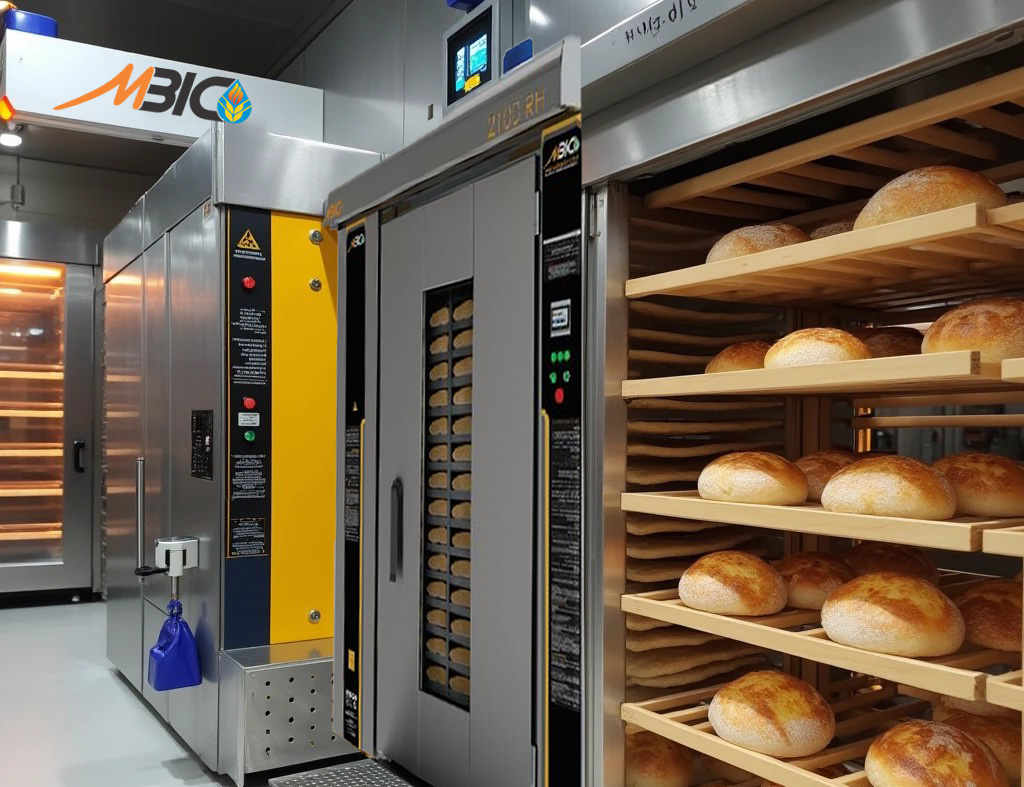
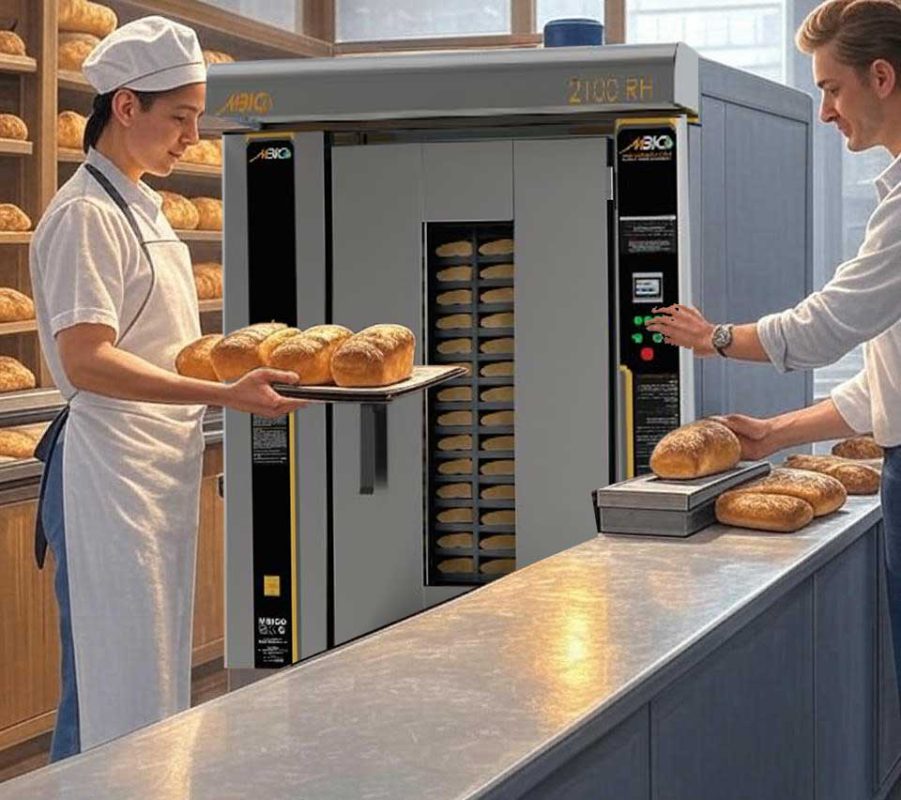
MBICO (Mashhad International Baking Industries Company) stands as a leading provider of high-quality baking solutions, including a range of robust and efficient baking equipment. Among our offerings is the Confectionery Rack Oven for Baking Pastry, designed to meet the demanding needs of professional pastry chefs and bakers. Our extensive product line also includes other essential baking equipment such as bakery and pastry trolleys and bakery cooling racks, providing comprehensive solutions for every stage of the baking process. With years of experience and a global presence, MBICO is committed to providing bakers worldwide with reliable and innovative equipment. While the provided information does not detail specific MBICO cleaning solutions, the principles outlined in this guide are directly applicable to maintaining the cleanliness and optimal performance of MBICO’s rack ovens and other baking equipment. By adhering to these best practices, bakers can ensure the longevity and efficiency of their MBICO investments. The high-quality construction and design of MBICO equipment aim to minimize areas where excessive buildup can occur, making regular cleaning and maintenance more effective. Prioritizing a consistent cleaning schedule, as detailed in this article, will undoubtedly contribute to the sustained performance and extended lifespan of your MBICO rack oven.
Frequently Asked Questions
Addressing Your Top Concerns About Rack Oven Cleaning and Maintenance
How often should I clean my rack oven?
The frequency of cleaning depends on usage, but a general guideline is to perform a quick wipe-down after each use, a deep clean weekly, and a thorough cleaning monthly . More frequent use, especially with oily or greasy foods, may necessitate more frequent cleaning.
What’s the best way to clean oven racks?
Multiple effective methods exist, including soaking in hot soapy water, using a baking soda paste, applying commercial oven cleaners (with caution), or even soaking with dishwasher detergent or dryer sheets . Soaking is often the first step to loosen grime.
Can I leave the racks in during the self-cleaning cycle?
Most manufacturers recommend removing oven racks before running a self-cleaning cycle, as the high heat can damage or discolor the racks . Some newer models may have self-clean compatible racks, but it’s best to consult the owner’s manual.
How do I remove stubborn grease buildup?
Soaking racks overnight, using a baking soda and water paste, applying commercial degreasers, and scrubbing with non-abrasive tools are effective methods for removing stubborn grease . For particularly challenging buildup, professional cleaning services may be required.
What are common mistakes to avoid when cleaning a rack oven?
Common mistakes include using harsh chemicals that can damage the oven’s surfaces, not removing oven racks before cleaning, skipping the pre-cleaning process of removing loose debris, neglecting the self-cleaning feature (when appropriate), and cleaning a hot oven, which can be dangerous and less effective .
How can I maintain the efficiency of my rack oven?
Regular cleaning is crucial for maintaining efficiency . This includes keeping the interior free of heavy buildup, ensuring fans and vents are clean, maintaining clean door seals, and periodically calibrating the thermostat. Promptly addressing spills and any performance issues is also important.
Establishing a Consistent Cleaning and Maintenance Schedule for Long-Term Rack Oven Health
Adhering to a consistent cleaning and maintenance schedule is essential for ensuring the longevity, efficiency, and optimal performance of your commercial rack oven . The following table summarizes the recommended cleaning tasks and their frequency:
| Frequency | Task | Benefit |
|---|---|---|
| Daily | Turn off and unplug oven | Ensures safety during cleaning |
| Remove loose debris and crumbs | Prevents burning and flavor contamination | |
| Wipe down interior and exterior surfaces | Prevents grease and food buildup | |
| Empty crumb trays (if applicable) | Prevents odors and potential fire hazards | |
| Weekly | Remove and soak racks and trays | Deep cleans and removes stubborn grime |
| Scrub oven interior | Removes accumulated grease and food particles | |
| Clean heating elements and fans | Maintains efficient heat distribution | |
| Wipe down door and clean door seal | Ensures proper heat retention | |
| Monthly | Inspect and clean ventilation/exhaust | Maintains air quality and prevents fire hazards |
| Check and calibrate thermostat | Ensures accurate cooking temperatures | |
| For gas ovens: Inspect/clean burners | Ensures proper flame and efficient heating | |
| For electric ovens: Inspect wiring | Checks for wear and potential safety issues | |
| Periodic | Professional deep cleaning and inspection | Addresses heavy buildup and identifies potential maintenance needs |
Beyond routine cleaning, preventative maintenance and regular inspections are vital for identifying and addressing potential issues before they escalate . Regularly checking the condition of door seals, ensuring accurate thermostat calibration, and promptly addressing any spills or operational irregularities will contribute significantly to the long-term health and efficiency of the rack oven .
Conclusion: Investing in Cleanliness for Superior Baking Outcomes and Equipment Longevity
Investing time and effort in maintaining a clean and well-maintained rack oven yields significant benefits for MBICO customers. Consistent cleaning practices directly contribute to improved baking quality and consistency, ensuring that every batch meets the highest standards. Furthermore, a clean oven operates more efficiently, leading to reduced energy consumption and lower operational costs. Maintaining a hygienic oven environment is also crucial for adhering to food safety standards and protecting the health of consumers. Ultimately, by prioritizing regular and thorough cleaning and maintenance, bakers can significantly prolong the lifespan of their MBICO equipment, maximizing their investment and ensuring years of reliable performance. Embracing a culture of cleanliness within the bakery is not just about aesthetics; it is a fundamental ingredient for achieving superior baking outcomes and ensuring the long-term success of your operation.