






Recipe
The Sweet Science of Fairy Bread: Crafting Childhood Joy with Professional Baking Techniques
24
Sep
Sep
The Anatomy of Joy: Why the Right Bread is the Secret to Authentic Fairy Bread
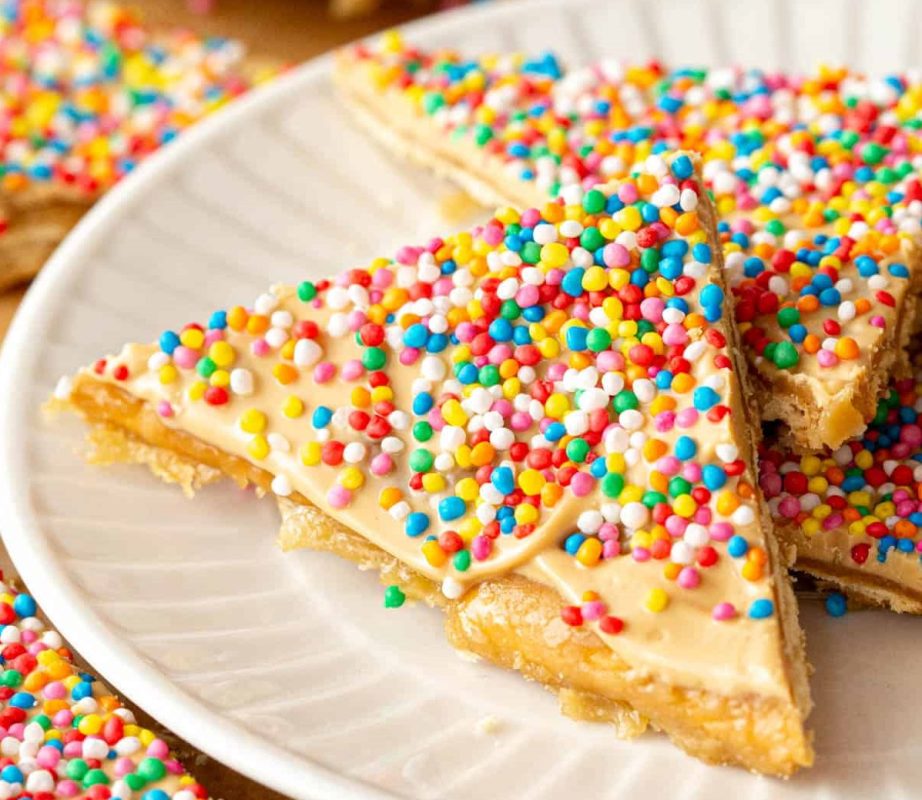
Fairy Bread, with its whimsical name and vibrant appearance, is a cultural cornerstone of Australian childhood parties. Its brilliance, originating in the 1920s, lies in its simplicity—a testament to how humble ingredients can create profound joy. Yet, this simplicity is often deceiving. As specialists deeply involved in the science of professional baking, we understand that the success of this treat hinges entirely on one factor: the quality and execution of the bread foundation.
The ideal Fairy Bread requires a specific kind of white bread: incredibly soft, slightly sweet, and possessing a fine, uniform crumb structure. When this foundation is compromised, the experience falls flat.
The Difference Between a Snack and a Classic: Texture Matters
I recall consulting on a large children’s party where standard supermarket white bread was used. While the children enjoyed the novelty, the compressed crumb and lack of true freshness meant the bread quickly became heavy and unable to properly adhere to the butter and sprinkles. It was a stark reminder that while the concept is simple, the execution of the bread truly makes or breaks the experience.
The perfect loaf must lovingly cradle a generous layer of butter and a shower of sprinkles without crumbling or feeling stodgy. This is where baking expertise, and the right equipment, truly shine.
Understanding the Foundation: The Science of Wheat-Based Sweet Breads
To truly master Fairy Bread, we must move beyond the basic sandwich loaf and master its foundation: the perfectly tender, slightly sweet white bread. This isn’t just any loaf; it’s a delicate balance of ingredients and precise processes designed specifically to yield the required light texture and subtle sweetness.
In the following sections, we dissect the baking science needed to achieve the optimal foundation for this iconic Australian treat, focusing on crumb structure, ingredient ratios, and the professional techniques that guarantee superior results.
The Role of Gluten Development in a Tender Crumb
The primary grain for Fairy Bread is wheat, and within wheat flour lies the magic of gluten. Gluten, a protein network formed when flour meets water and is agitated (kneaded), is responsible for the structure and elasticity of our dough. For a soft, fine-crumbed bread like that required for Fairy Bread, we’re aiming for moderate gluten development. Over-kneading can lead to a tough, chewy crumb, while under-kneading results in a weak structure and coarse texture. In my years of running a professional bakery, I’ve found that paying close attention to the dough’s “windowpane” test – stretching a small piece thin enough to see light through it without tearing – is crucial. This indicates a well-developed, yet pliable, gluten network ready to trap the gases produced by yeast, giving us that desirable airy lightness. The type of wheat flour also matters; a lower protein (around 10-11%) all-purpose or bread flour is often ideal, striking the perfect balance between structure and tenderness.
Sugar and Fat: More Than Just Flavor
Beyond structural components, sugar and fat play pivotal roles in achieving the signature characteristics of Fairy Bread. Sugar, typically granulated, isn’t just for sweetness; it tenderizes the crumb by interfering with gluten development, making the final product softer. It also provides food for the yeast, accelerating fermentation, and contributes to the beautiful golden-brown crust through the Maillard reaction during baking. Fat, such as butter or a neutral oil, further tenderizes the crumb, enriches the flavor, and improves the bread’s keeping qualities, ensuring it stays fresh and soft longer. It lubricates the gluten strands, allowing them to stretch more easily without tearing, resulting in a silkier mouthfeel.
Crafting Your Perfect Fairy Bread Dough: A Step-by-Step Guide
Now, let’s translate this science into actionable steps for your kitchen.
Selecting Your Ingredients
- Flour: Use a high-quality unbleached all-purpose or bread flour with around 10-11% protein content.
- Yeast: Instant or active dry yeast.
- Sugar: Granulated sugar for tenderizing and flavor.
- Fat: Unsalted butter, softened.
- Liquid: Whole milk for richness, warmed to activate yeast (around 95-105°F / 35-40°C).
- Salt: Essential for flavor balance and controlling yeast activity.
The Mixing and Kneading Process
- Combine Dry Ingredients: In a large bowl, whisk together the flour, sugar, yeast, and salt.
- Add Wet Ingredients: Gradually add the warmed milk and softened butter, mixing until a shaggy dough forms.
- Knead: Turn the dough out onto a lightly floured surface. Knead for 8-10 minutes (by hand) or 5-7 minutes (stand mixer with dough hook) until the dough is smooth, elastic, and passes the windowpane test. The dough should feel soft but not sticky.
- First Proof: Place the dough in a lightly oiled bowl, cover, and let it rise in a warm place until doubled in size, typically 1-1.5 hours.
- Shape: Gently deflate the dough and shape it into a tight log, ensuring an even structure for your loaf pan.
- Second Proof: Place the shaped dough into a greased loaf pan, cover, and let it rise again until it crests above the rim, about 45-60 minutes.
- Bake: Preheat your bakery oven to 375°F (190°C). Bake for 25-35 minutes, or until the crust is golden brown and the internal temperature reaches 200-205°F (93-96°C).
- Cool: Immediately remove the bread from the pan and cool on a wire rack completely before slicing. This is critical for preventing a gummy texture.
The Art of Assembly: Beyond Just Sprinkles
Once your perfect loaf is cooled, the Fairy Bread transformation begins. This stage, while seemingly straightforward, benefits from a baker’s meticulous approach.
The Butter Layer: Temperature and Technique
The butter should be at room temperature, soft enough to spread effortlessly but not melted. This allows for an even, consistent layer that adheres beautifully to the bread without soaking in too much. I recommend using high-quality unsalted butter for the purest flavor. Spread generously right to the edges of the bread slice.
Choosing the Right Sprinkles (and why it matters)
While any “hundreds and thousands” (nonpareils) will do, consider the impact of quality. Fresh, vibrant sprinkles contribute to the overall appeal. For the adventurous baker, exploring homemade sprinkle options or unique color combinations can add a bespoke touch. Just as a professional kitchen requires precision in every ingredient and preparation, whether it’s bread or other culinary creations from specialized pizza and food ovens, attention to detail in your Fairy Bread ensures a superior final product.
Elevating Your Bakery with MBICO: From Home Kitchen to Industrial Production
Whether you’re a passionate home baker looking to perfect your craft or an aspiring professional aiming to scale up, the principles of quality and precision remain paramount. This is where the right tools make all the difference. For those serious about consistency and efficiency, investing in top-tier bakery equipment becomes indispensable. From advanced mixers that achieve perfect gluten development to state-of-the-art proofing cabinets that ensure consistent rises, professional equipment drastically improves product uniformity and reduces labor.
At MBICO, we understand the journey of a baker. As a leading, specialized manufacturer of industrial and commercial machinery for the bread and confectionery industry, MBICO bridges the gap between traditional heritage and modern technology. Our tiered product portfolio, ranging from portable semi-automatic ovens for startups to fully automated systems, ensures that bakers at every stage of their journey can access the tools they need to preserve authenticity and achieve consistent quality at scale. We are committed to being a strategic partner in your growth, ensuring that whether you’re crafting a single loaf of Fairy Bread or thousands, the quality remains exceptional.
Troubleshooting Common Fairy Bread Challenges
Even with the best techniques, challenges can arise. Here are quick solutions for common issues:
- Dry/Dense Crumb: Likely not enough hydration, under-kneading, or over-baking. Adjust liquid slightly, ensure proper kneading (windowpane test!), and monitor baking time/temperature carefully.
- Gummy Texture: Often due to slicing the bread before it has fully cooled. The internal starches need time to set. Be patient!
- Uneven Rise: Could be inconsistent shaping, uneven oven temperature, or old/inactive yeast. Ensure your yeast is fresh and your shaping technique is uniform.
Conclusion:
Fairy Bread, in its delightful simplicity, offers a profound lesson in baking: that even the most unassuming creations demand an understanding of scientific principles and meticulous execution. We’ve explored how proper gluten development, the strategic use of sugar and fat, and precise proofing create the ideal tender, flavorful base. We’ve also seen how a baker’s attention to detail, from ingredient selection to the final spread of butter and sprinkles, transforms a simple idea into a moment of pure joy. This weekend, I challenge you to go beyond simply buying a loaf; instead, bake your own foundational bread for Fairy Bread. Try adjusting your dough’s hydration by just 2% and observe the remarkable difference in the crumb and the entire experience. Embrace the science, savor the process, and share the magic.
Explore MBICO's categories
Bakery equipment
13 Products
bulk and semi-bulk bread baking ovens
3 Products
Bulk Breads Baking equipment
14 Products
Confectionery equipment
7 Products
Mini ovens
3 Products
Pizza and food ovens
4 Products
Baking equipment
25 Products
Bakery oven
5 Products
Tafton baking ovens
3 Products
Barbari baking ovens
4 Products
Sangak bakery ovens
3 Products
Lavash baking ovens
3 Products
Pastry and confectionery ovens
3 Products
Baking ovens
10 Products
Mobile baking machines
4 Products
Explore MBICO's products
Dough Proofing Machine
Pastry Dough Sheeter
Mini Deck Oven
Bread & Sugar Grinder
Dough Rolling Machine
Fermentation Chamber
4-Roll Dough Sheeter
Verticsl Dough Bowl Lift