






Recipe
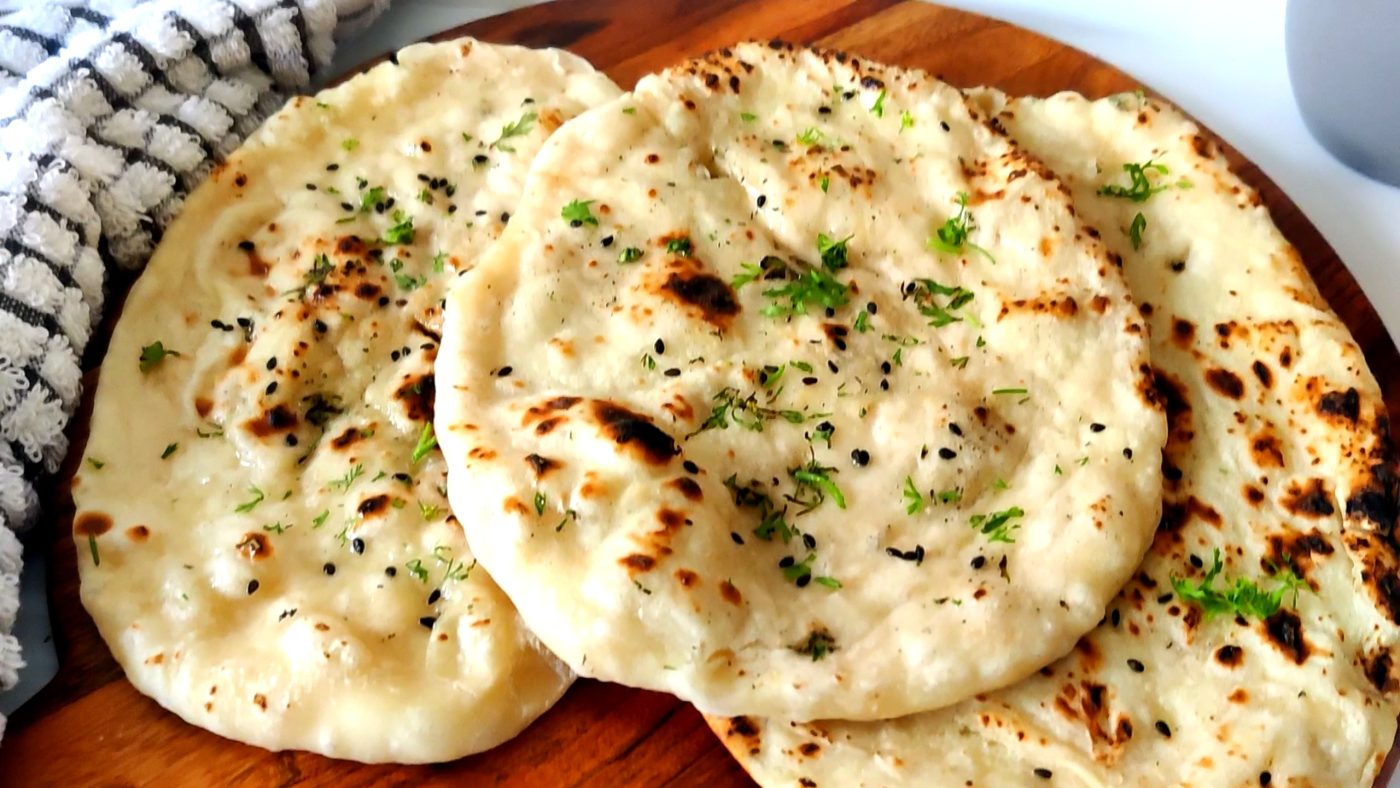
Homemade Naan: Easy Recipe for Beginners
27
Aug
Aug
Do you remember your first attempt at baking authentic Naan? For many home bakers, that initial effort results in something frustratingly flat, tough, and utterly devoid of those beautiful, characteristic bubbles. This is one of the most common baking hurdles. Achieving that perfect, pillowy texture and signature smoky char of authentic Naan requires a delicate balance of fermentation science, precise technique, and, frankly, the right tools.
Don’t despair! Every experienced baker has faced these initial challenges. The true secret to moving beyond dense flatbreads lies not just in a recipe, but in understanding the process and having expert guidance. At MBICO, a leading manufacturer of high-quality, professional bakery equipment, we believe that empowering bakers with both knowledge and superior machinery is the key to unlocking consistent, professional results. By the end of this guide, you will have a deep understanding of the scientific principles behind perfect Naan and learn the exact techniques necessary to turn those baking frustrations into triumphs.
Decoding the Dough: The Scientific Foundation of Perfect Naan
Naan, the beloved leavened flatbread from South and Central Asia, is far more complex than simple flour and water. Its inherent magic lies in its unique dough composition and strategic cooking methodology. Based on our years of experience in running professional bakeries and engineering equipment designed to support optimal dough production, we highlight the core elements that make Naan truly special:
- Enriching Ingredients: Unlike many standard yeast breads, authentic Naan often incorporates yogurt, milk, or sometimes eggs. These additions introduce acidity, fat, and proteins, significantly enhancing the dough’s tenderness, adding a subtle tang, and crucially, improving the overall gluten development.
- Hydration Control: Proper hydration is paramount for achieving that classic soft, pliable dough structure and maximizing bubble formation during cooking. If the dough is too dry, your Naan will be tough and dense; if it is too wet, it becomes sticky and unmanageable.
Finding the Ideal Hydration Sweet Spot
The optimal consistency for a Naan dough that stretches beautifully and maintains its structure usually hovers precisely around 65-70% hydration. Mastering this ratio is the critical first step in transforming your homemade Naan from merely acceptable to truly professional quality.
The Science of Softness: Yeast, Gluten, and Fermentation
Let’s break down the science. The yeast in your Naan dough is a living organism, consuming sugars and producing carbon dioxide, which creates those lovely air pockets. This process, fermentation, also develops complex flavors. But it’s not just about the bubbles; it’s about the gluten network. Wheat flour contains proteins that, when hydrated and kneaded, form gluten. This elastic network traps the CO2, allowing the bread to rise. Over-kneading can make the Naan tough, while under-kneading won’t develop enough structure. Aim for a dough that passes the ‘windowpane test’ – thin enough to see light through without tearing, but still elastic.
Crafting the Perfect Shape: From Ball to Teardrop
The iconic teardrop shape of Naan isn’t just for aesthetics; it influences how the bread cooks. Traditionally, small dough balls are rolled or slapped into this shape, ready for the intense heat of a tandoor. But what if you don’t have a tandoor at home? Don’t worry, professional results are still within reach. The key is extreme heat. A dedicated bakery oven capable of reaching very high temperatures (think 500-550°F or 260-290°C) is ideal for replicating the tandoor’s searing environment. This high heat causes the trapped moisture in the dough to rapidly turn to steam, inflating the bread and creating those characteristic bubbles and a beautiful char.
Achieving the Tandoor Effect at Home
While a traditional tandoor is a luxury for most home bakers, several methods can emulate its intense heat:
- Pizza Stone/Steel: Preheat your oven with a pizza stone or steel to its highest setting (500-550°F / 260-290°C) for at least an hour. The thermal mass of the stone/steel mimics the tandoor’s hot walls.
- Cast Iron Skillet: A heavy cast iron skillet heated until smoking hot on the stovetop, then transferred to a hot oven, can also work wonders.
- Broiler Method: Cook one side on a hot surface, then transfer directly under a preheated broiler to finish the top.
For those considering professional-grade solutions, investing in quality bakery equipment can dramatically elevate your craft, providing consistent heat and even baking, crucial for mastering complex breads like Naan. The intense heat from these specialized pizza and food ovens is what creates the Maillard reaction – the browning that adds depth of flavor and that irresistible aroma.
Step-by-Step: Your Ultimate Homemade Naan Recipe
Ready to put theory into practice? Here’s a detailed guide based on principles honed over years in both artisanal and industrial settings.
Ingredients:
- 1 ½ cups warm water (105-115°F / 40-46°C)
- 2 ¼ teaspoons active dry yeast (one standard packet)
- 1 teaspoon sugar
- 3 ½ – 4 cups all-purpose flour, plus more for dusting
- 2 tablespoons plain yogurt (full-fat for best results)
- 2 tablespoons olive oil, plus more for bowl
- 1 teaspoon salt
- Melted butter or ghee for brushing (optional, but highly recommended)
- Fresh garlic and cilantro, chopped (optional, for garlic naan)
Instructions:
- Activate Yeast: In a large bowl, combine warm water, sugar, and yeast. Stir gently and let sit for 5-10 minutes until foamy. This confirms your yeast is active.
- Mix Dough: Add yogurt, olive oil, and salt to the yeast mixture. Gradually add 3 ½ cups of flour, mixing with a wooden spoon or your hands until a shaggy dough forms.
- Knead: Turn the dough out onto a lightly floured surface. Knead for 8-10 minutes, adding small amounts of flour only if necessary, until the dough is smooth, elastic, and no longer sticky. It should pass the windowpane test.
- First Proof: Lightly grease a clean bowl with olive oil. Place the dough in the bowl, turning once to coat. Cover with plastic wrap or a damp cloth and let rise in a warm place for 1-1 ½ hours, or until doubled in size.
- Divide and Shape: Gently punch down the dough. Divide it into 8-10 equal pieces. Roll each piece into a ball, then flatten and stretch into the traditional teardrop or oval shape, about ¼ inch thick.
- Bake: Heat your chosen baking surface (pizza stone, cast iron, etc.) to its highest setting for at least 30-60 minutes. Carefully transfer one Naan dough to the hot surface. Cook for 1-3 minutes per side, or until deeply puffed and beautifully charred in spots. If using a broiler, cook one side, then transfer under the broiler for 30-60 seconds to char the top.
- Serve: As each Naan finishes, brush immediately with melted butter or ghee, and sprinkle with fresh garlic and cilantro if desired. Stack them and cover with a clean kitchen towel to keep warm and soft.
Mastering Naan is a journey that combines scientific understanding with hands-on practice. From the precise hydration of the dough to the intense heat of the oven, every step contributes to that unforgettable soft, chewy texture and slightly smoky flavor. You’ve learned the critical roles of yeast and gluten, the importance of high heat, and practical ways to achieve professional results right in your own kitchen. This weekend, try adjusting your dough’s hydration by 2% and observe the difference in the crumb, or experiment with preheating your baking surface for an extra 15 minutes. The subtle changes often lead to profound improvements. Happy baking!
Explore MBICO's categories
Bakery equipment
13 Products
bulk and semi-bulk bread baking ovens
3 Products
Bulk Breads Baking equipment
14 Products
Confectionery equipment
7 Products
Mini ovens
3 Products
Pizza and food ovens
4 Products
Baking equipment
25 Products
Bakery oven
5 Products
Tafton baking ovens
3 Products
Barbari baking ovens
4 Products
Sangak bakery ovens
3 Products
Lavash baking ovens
3 Products
Pastry and confectionery ovens
3 Products
Baking ovens
10 Products
Mobile baking machines
4 Products
Explore MBICO's products
Bread & Sugar Grinder
Dough Bowl
Dough Rounder
Bread Cooling Conveyor Machine
Rimok Bakery
Dough Mixer
Kitchen trailer
Conveyor Pizza Oven