






Recipe
Mastering Australia’s Traditional Bush Bread with Modern Baking Wisdom
23
Sep
Sep
I still remember the first time I attempted to bake damper over a roaring campfire. The romance of the flickering flames and the promise of a rustic, golden loaf was intoxicating. Yet, the reality was a dense, sometimes burnt, sometimes raw, and utterly unpredictable brick. Sound familiar? Many passionate home bakers, myself included, have faced similar frustrations when trying to recreate traditional recipes that often lack the precise instructions we’ve come to rely on in modern baking.
The truth is, while damper embodies a beautiful simplicity, achieving that perfect, consistent loaf requires more than just mixing flour and water; it demands an understanding of its underlying science. This is where the bridge between ancient tradition and modern innovation becomes crucial.
At Mashhad Baking Industries (mbico), we understand that baking consistency is paramount. Whether you are using specialized equipment or simply refining a home recipe, applying professional standards is key. Companies like MBICO, a leading manufacturer of high-quality bakery equipment, empower bakers to achieve professional, consistent results, even with the most rustic of recipes.
By the end of this article, you will not only have a deep understanding of Damper bread’s heritage and the fascinating science that makes it work, but you’ll also learn the exact techniques to apply in your own kitchen to bake a consistently delicious loaf every time.
The Heart of the Bush: What is Damper Bread?
Australia’s culinary landscape is rich with diverse influences, but few dishes hold as iconic a status as Damper bread. This traditional bush bread, born from necessity and resourcefulness, served as a staple for early settlers, drovers, and Indigenous Australians alike. Its genius lies in its simplicity:
- A basic dough of flour, water (or milk), and often a leavening agent like baking soda.
- Traditionally cooked directly in the coals or embers of a fire.
It’s more than just a bread; it’s a symbol of resilience, community, and the rugged spirit of the Australian outback. While its origins are deeply rooted in open-fire cooking, the precise principles behind achieving a great Damper translate beautifully to the modern kitchen, allowing us to recreate its unique texture and flavor with far greater precision and reliability than our ancestors could achieve.
The Science Behind the Simplicity: Why Damper Works
To truly master Damper, we must first appreciate the delicate dance of ingredients at a molecular level. Classified as a soda bread, Damper relies on a quick chemical reaction rather than yeast fermentation for its rise. This is where the magic truly unfolds.
The Magic of Leavening: Bicarbonate and Acid
At the core of Damper’s rise is the reaction between sodium bicarbonate (baking soda) and an acid. Typically, buttermilk or milk soured with lemon juice or vinegar provides this acidic component. When these two meet in the presence of moisture and heat, they produce carbon dioxide gas. These gas bubbles become trapped within the dough’s structure, causing it to expand rapidly. Unlike yeast breads that require hours of proofing, soda breads rise almost immediately upon mixing and continue to expand during baking. This rapid leavening is why minimal mixing is crucial; overworking the dough can dissipate these precious gas bubbles, leading to a dense, tough loaf.
Grain Matters: The Role of Wheat Flour
While traditional damper often used readily available plain flour, understanding different wheat flours can enhance your results. The relatively low protein content of plain or all-purpose flour means less gluten development. In soda breads, we actually want minimal gluten formation to maintain a tender crumb. High-protein bread flour, which encourages strong gluten networks, would result in a chewy, rubbery damper – not the desired rustic texture. Stick to a good quality plain flour or self-raising flour (which already contains leavening agents, so adjust your baking soda accordingly) for the most authentic experience.
Crafting Your Own Damper: A Master Baker’s Guide
Having spent years perfecting various traditional breads, from sourdoughs to soda loaves, I can tell you that the beauty of Damper lies in embracing its unpretentious nature while still applying sound baking principles. Here’s how to translate its bush origins into a triumphant bake in your own kitchen.
Ingredients: Quality Over Quantity
- Flour: As discussed, plain or all-purpose white flour is ideal. Sift it for a lighter texture.
- Leavening: Good quality baking soda. Ensure it’s fresh!
- Liquid: Buttermilk is traditional and excellent for providing both liquid and acid. If you don’t have buttermilk, combine regular milk with a tablespoon of lemon juice or white vinegar and let it sit for 5 minutes.
- Salt: Essential for flavor balance.
- Fat (Optional but Recommended): A little butter or lard (25-50g per 500g flour) rubbed into the flour creates a more tender crumb.
Mixing for Success: The Gentle Touch
This is perhaps the most critical step for a tender Damper.
- In a large bowl, whisk together your dry ingredients (flour, baking soda, salt, and any fat you’re using).
- Make a well in the center and pour in your liquid.
- Using a butter knife or your fingertips, quickly bring the ingredients together until just combined. The dough should be soft and shaggy, not smooth. Resist the urge to knead! Overmixing develops gluten, leading to a dense, tough damper.
- The hydration should be just enough to form a cohesive dough without being overly sticky. Adjust with a tiny splash more liquid or a sprinkle of flour if needed.
Shaping and Baking: From Embers to bakeryb equipment
While traditionally baked in the hot ashes or wrapped in foil and cooked in a camp oven, modern bakers can achieve excellent results in a conventional oven. Gently shape your minimally mixed dough into a round or oval loaf, approximately 2-3 inches thick. Place it on a lightly floured or parchment-lined baking sheet. Score the top with a cross; this helps the heat penetrate and allows for an even rise, preventing a burst crust.
Bake in a preheated oven at 200°C (390°F) for 25-35 minutes, or until golden brown and hollow-sounding when tapped on the bottom. If you’re lucky enough to have access to a commercial bakery oven, you’ll find the consistent, even heat distribution makes achieving that perfect bake incredibly reliable, a testament to quality bakeryb equipment. The key is consistent heat to ensure the leavening reaction completes before the structure sets too much.
Elevating Your Damper: Tips from the Pros
Don’t let Damper’s simplicity fool you; there’s always room for innovation and personalization, transforming a basic loaf into something truly special.
Flavor Variations and Add-ins
Once you’ve mastered the basic recipe, the possibilities for customization are endless.
- Savory: Add grated cheese, chopped fresh herbs (rosemary, thyme), sun-dried tomatoes, or even crispy bacon bits. These can make for a fantastic accompaniment to a hearty stew, perhaps even baked in a versatile pizza and food ovens for an extra rustic, smoky touch.
- Sweet: Incorporate dried fruits (sultanas, cranberries), a sprinkle of cinnamon, or orange zest for a delightful sweet treat, perfect with a cuppa.
Remember to gently fold in any additions to maintain the tender crumb.
Achieving the Perfect Crumb and Crust
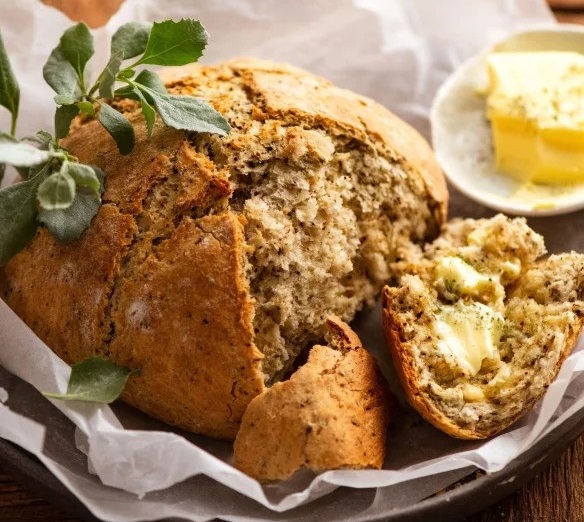
A well-baked damper should have a firm, golden crust and a tender, slightly open crumb.
- Don’t peek too early: Resist opening the oven door during the first 15-20 minutes of baking, as this can cause the loaf to collapse.
- Cooling: Once out of the oven, transfer the damper to a wire rack to cool slightly. While delicious warm, slicing it too hot can sometimes make the crumb gummy.
- Serving: Damper is best eaten fresh, ideally warm, slathered with butter, jam, or golden syrup.
Conclusion
From its humble origins over a campfire to its potential on the modern baking stage, Damper bread is a testament to resourceful baking and the enduring appeal of simple, authentic flavors. By understanding the quick leavening power of baking soda, the importance of minimal mixing, and the role of proper baking technique, you can consistently produce a tender, flavorful loaf that honors its heritage. This weekend, gather your ingredients and experiment with a classic Damper. Try adjusting your liquid to flour ratio by just a touch, or incorporate a new savory add-in, and observe the satisfying difference in the crumb and flavor. Happy baking!
Explore MBICO's categories
Bakery equipment
13 Products
bulk and semi-bulk bread baking ovens
3 Products
Bulk Breads Baking equipment
14 Products
Confectionery equipment
7 Products
Mini ovens
3 Products
Pizza and food ovens
4 Products
Baking equipment
25 Products
Bakery oven
5 Products
Tafton baking ovens
3 Products
Barbari baking ovens
4 Products
Sangak bakery ovens
3 Products
Lavash baking ovens
3 Products
Pastry and confectionery ovens
3 Products
Baking ovens
10 Products
Mobile baking machines
4 Products
Explore MBICO's products
Tunnel Baking Oven
Dough Rolling Machine
Dough pouring machine
4-Roll Dough Sheeter
Bread Cooling Conveyor Machine
Bakery cooling rack
Mini Deck Oven
Bread & Sugar Grinder